
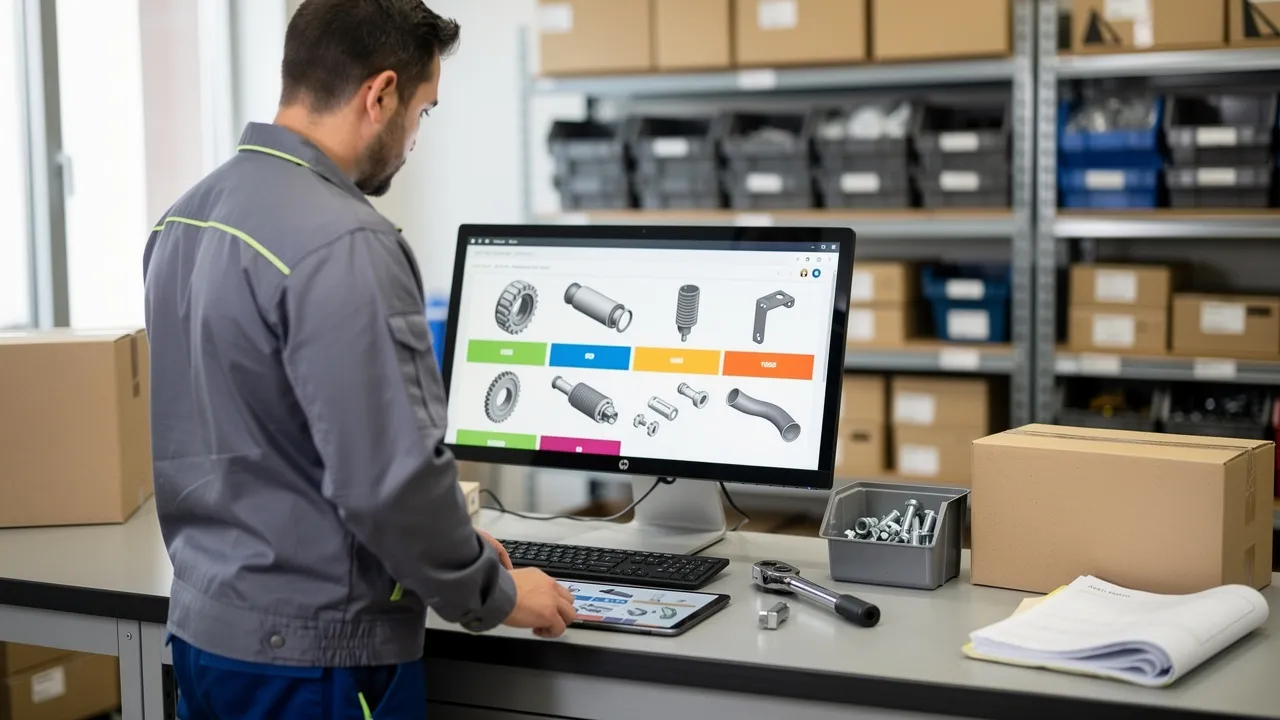
What Is a Marketplace? A Guide for Equipment and Aftermarket-Parts Businesses
Learn how marketplaces work, differ from online stores, and fit equipment, aftermarket-parts, fulfillment, and support needs.
Bold thinking for traditional industries. The latest in eCommerce and digital solutions that drive customer success.
Request Demo
Learn how marketplaces work, differ from online stores, and fit equipment, aftermarket-parts, fulfillment, and support needs.

Learn the parts of an email, from message fields and body content to attachments, support examples, and campaign context.
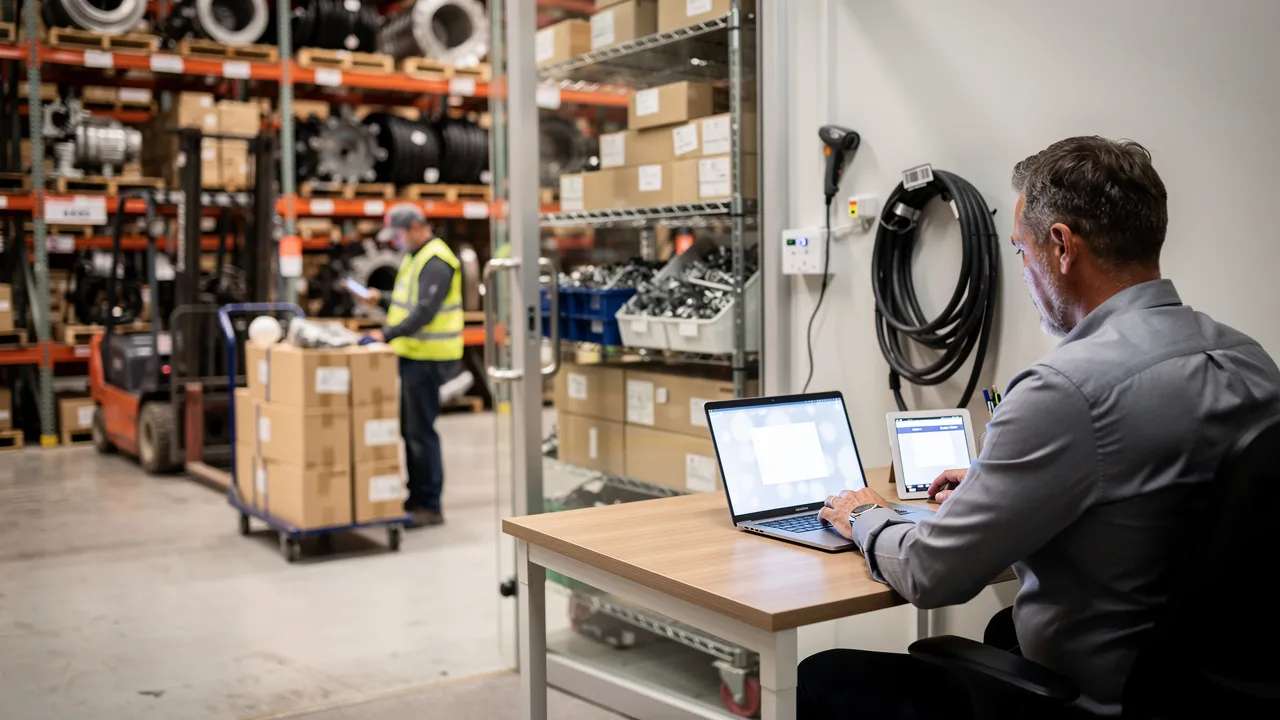
Learn what omnichannel means for equipment and aftermarket-parts businesses, and test whether your buying journey stays connected.

Learn what SKU stands for, how stock keeping units organize equipment and aftermarket parts, and how SKUs differ from UPCs.

Build an evidence-first auto parts manufacturer shortlist by checking fit, continuity, cost, ordering access, and supplier readiness.

Learn what CRM means for equipment and aftermarket-parts businesses, how it differs from a dealer portal, and what to evaluate.

See how equipment manufacturers can evaluate interactive parts manuals for product-specific lookup, service documentation, and support workflows.
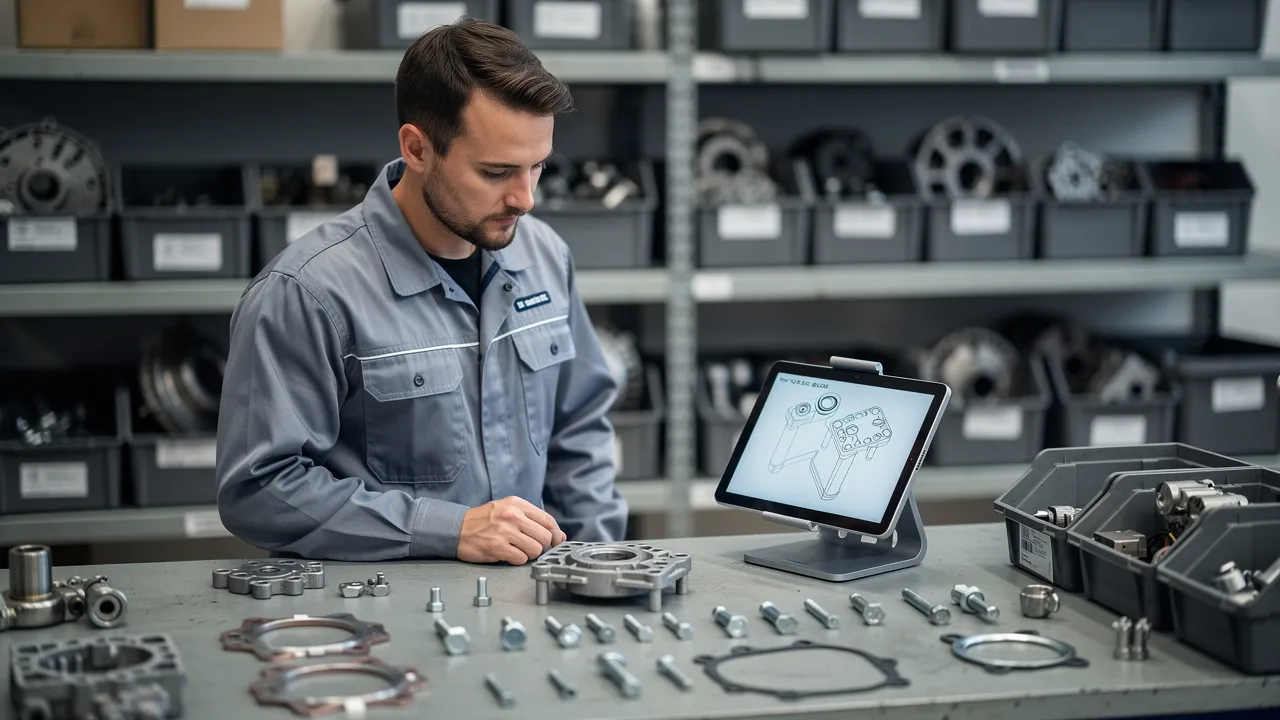
Learn what an equipment parts shop should provide, from serial-number lookup and BOMs to ordering, ERP handoffs, timing, and cost questions.

Learn how equipment manufacturers can evaluate customer experience software across parts, purchasing, service, and support journeys.

Learn how pricing software connects equipment quotes, parts data, pricing rules, integrations, costs, and implementation.
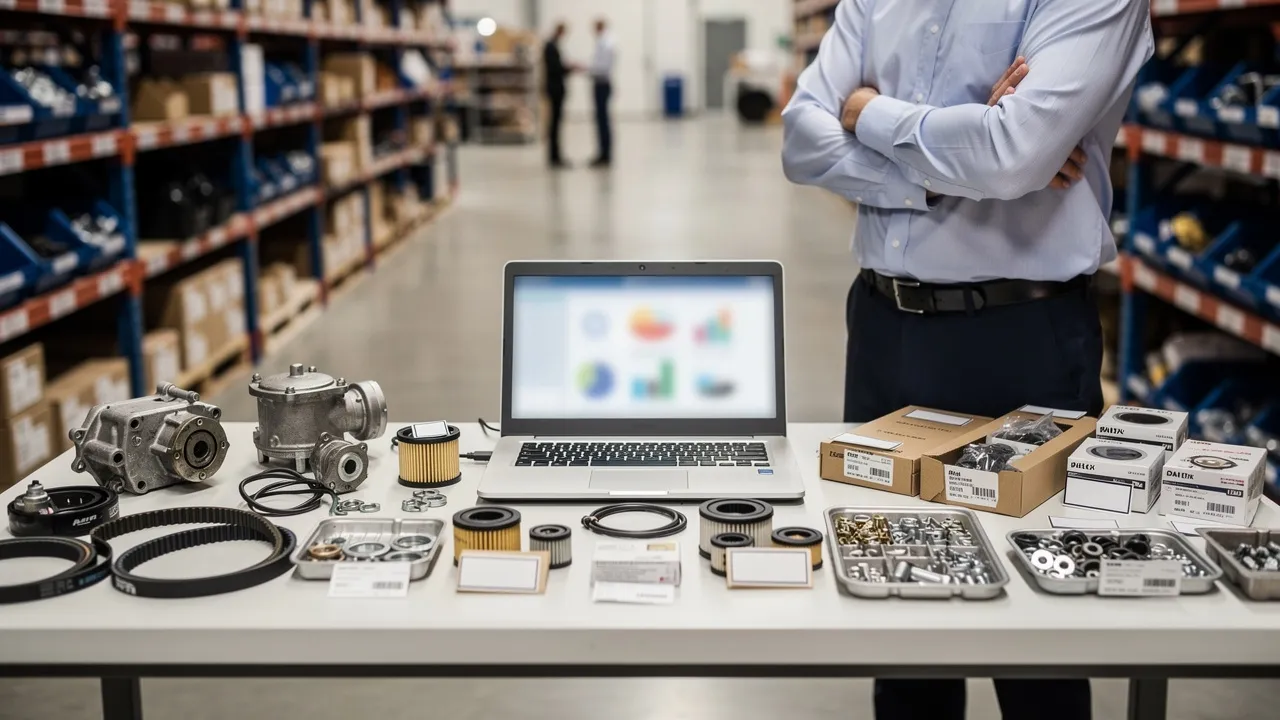
Learn how to price equipment and aftermarket parts by weighing costs, customer value, channels, inventory, and review cycles.
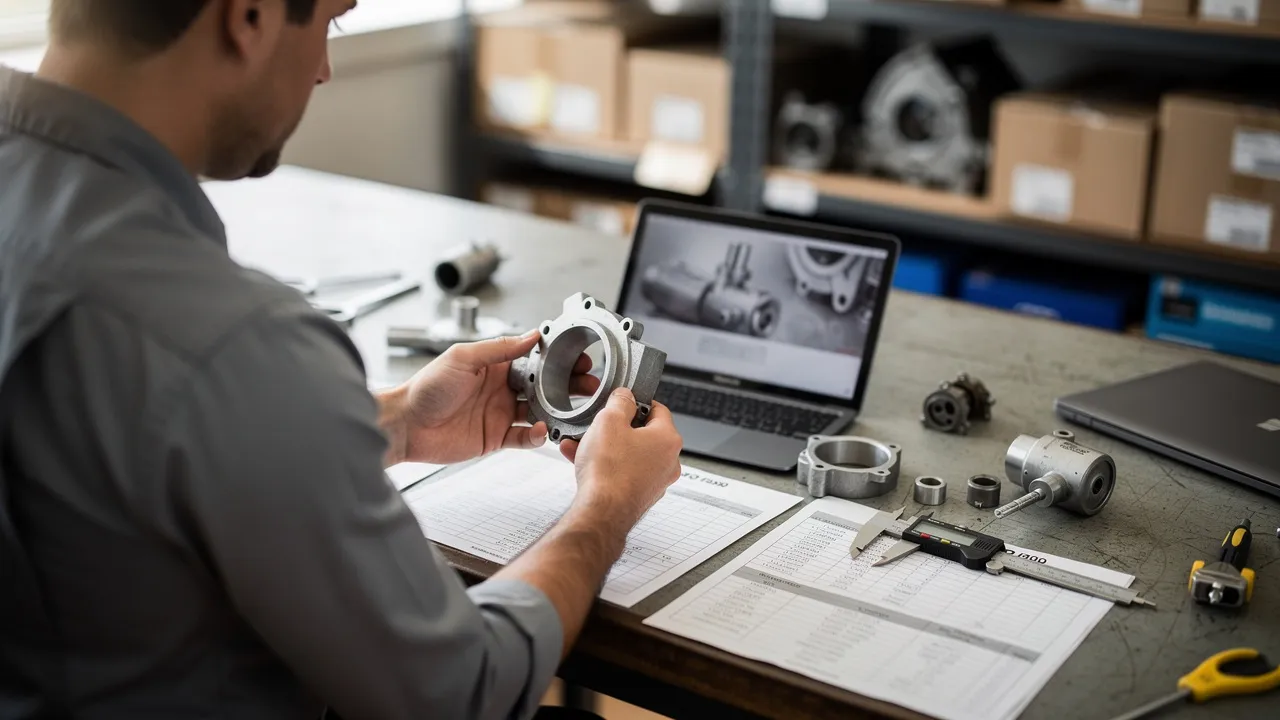
Learn how equipment and aftermarket-parts specifications guide evaluation, comparison, fit, and ordering decisions.